Get the guidance you want and need for the right loan, with clear options for purchases, refinances, and investment financing.
Whether you are buying your first home, refinancing, or investing, I will help you compare the right loan programs for your income, budget, and timeline. Expect competitive rates, flexible terms, and clear guidance from application to closing.
With nearly 20 years of experience originating home loans, I bring a consultative, client-first approach to residential, land and commercial lending. I specialize in guiding buyers and homeowners through complex financing decisions with clarity, customized solutions, and a high level of professionalism from application through closing.
Compare purchase and refinance options with competitive rates and terms. Get straightforward guidance and a smooth process designed to help you close with confidence.
Every borrower has a different income, credit profile, and financial goal. We structure home loan options around your situation, whether you are buying, refinancing, investing, or self employed.
We offer conventional, FHA, VA, and refinance options with competitive interest rates and term structures designed to reduce monthly payments and support long term financial stability.
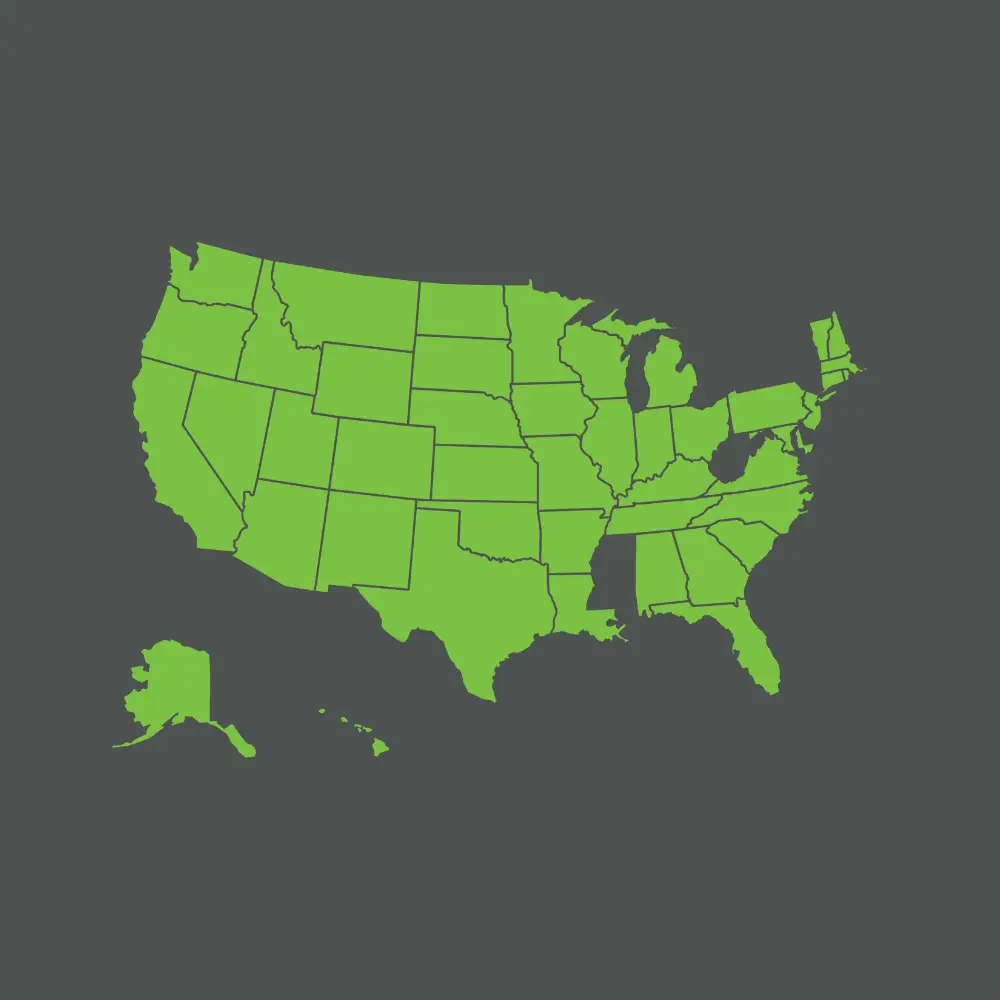
Licensed to lend across multiple states, we help buyers and investors secure financing wherever they purchase, with clear guidance on guidelines, timelines, and closing requirements.
Our streamlined mortgage process prioritizes complete documentation, proactive communication, and efficient underwriting to help qualified borrowers close quickly and confidently.
Ready to take the next step? Whether you’re buying your first home, refinancing, or exploring your loan options, we’re here to help. Get in touch today and let our experts guide you through a smooth and stress-free home loan process. Your journey to the perfect home starts now.
Whether you are comparing fixed rates and ARMs, exploring FHA, VA, USDA, jumbo, or looking at HELOC and down payment assistance options, we break it down in plain English so you can choose the right loan with confidence.
What is the difference between a fixed rate mortgage, an ARM, and a temporary buydown, and how do I choose the right one?
A fixed rate mortgage keeps the same interest rate for the full term, which gives you stable principal and interest payments and is ideal if you want long term predictability. An adjustable rate mortgage, or ARM, starts with a fixed rate for a set period such as 5, 7, or 10 years, then adjusts based on an index plus a margin, with caps that limit how much the rate can change. ARMs can be a smart fit if you plan to sell or refinance before the first adjustment or you want a lower starting payment. A temporary buydown is different from both because it uses seller or lender credits to reduce your payment for the first one to three years, then the payment returns to the normal amount based on the note rate. Percent Mortgage by ARBOR Financial Group helps you compare monthly payments, total interest, and your expected time in the home so you can choose the option that matches your budget and timeline.
What is a HELOC or second mortgage, and when does it make sense instead of refinancing my first mortgage?
A HELOC and a home equity loan, often called a second mortgage, let you borrow against the equity in your home while keeping your existing first mortgage in place. A HELOC works like a revolving credit line where you can draw funds as needed during the draw period, while a home equity loan gives you a one time lump sum with a set repayment schedule. These options can make sense when your current first mortgage rate is already strong and you do not want to replace it with a higher rate, or when you need funds for home renovations, debt consolidation, education costs, or large purchases. Because terms and rates vary and many HELOCs have variable rates, Percent Mortgage reviews your goals, expected payoff timeline, and combined loan to value so you understand cash to close, monthly payments, and the long term cost before you move forward.
An FHA loan is a mortgage insured by the Federal Housing Administration that is designed to make homeownership more accessible for qualified buyers, including first time homebuyers and borrowers with limited down payment or credit history. FHA guidelines are often more flexible than conventional loans, and FHA loans can allow gifted funds and higher debt to income ratios in many cases, depending on the overall file. FHA loans also include upfront and monthly mortgage insurance, which impacts the monthly payment and long term cost, so it is important to compare FHA versus conventional options. Percent Mortgage by ARBOR Financial Group helps you understand FHA requirements, what you may qualify for, and whether FHA is the most cost effective path for your purchase or refinance.
A VA loan is a mortgage backed by the U.S. Department of Veterans Affairs for eligible service members, veterans, and some surviving spouses. VA loans are known for strong benefits, including the possibility of zero down payment, no monthly mortgage insurance, and flexible underwriting compared to many other loan types. Some VA loans include a one time funding fee, although certain borrowers may be exempt, and closing costs still apply. Percent Mortgage can help you confirm eligibility, review your Certificate of Eligibility, and compare VA purchase or VA refinance options so you can maximize the VA benefit and choose terms that match your financial goals.
A USDA loan is a mortgage supported by the U.S. Department of Agriculture that can help eligible buyers purchase a primary residence in qualifying rural and some suburban areas. Many USDA loans allow zero down payment, but eligibility is based on both the property location and household income limits, which vary by area and household size. USDA loans also include guarantee fees similar to mortgage insurance, typically an upfront fee and a monthly fee, which affect the overall payment. Percent Mortgage by ARBOR Financial Group can quickly check an address for USDA eligibility and review income guidelines so you know whether USDA is a good fit before you start shopping or writing offers.
What is a Non QM loan, and how do bank statement and DSCR mortgages help self employed borrowers and investors qualify?
Non QM, meaning Non Qualified Mortgage, refers to loan programs designed for borrowers who do not fit standard conventional documentation, often because income is complex, tax write offs are high, or the borrower is focused on investment property financing. A bank statement loan can allow self employed borrowers to qualify using 12 to 24 months of business or personal bank deposits instead of tax returns, which can better reflect cash flow. A DSCR loan, or Debt Service Coverage Ratio loan, is commonly used for real estate investors and focuses mainly on the rental income of the property compared to the housing payment rather than personal income. Non QM loans are regulated and fully underwritten, but pricing, down payment, and guidelines vary widely by program. Percent Mortgage helps you choose the right Non QM option based on your goals, whether you are self employed, buying an investment property, using DSCR, or looking for a bank statement mortgage.
What is a commercial real estate loan and what should I expect in the approval process?
A commercial loan finances property used for business purposes such as office, retail, industrial, or mixed use buildings, and underwriting is based on both the borrower and the property’s performance. Commercial loans often have different structures than residential mortgages, including shorter terms, fixed periods, adjustable components, and in some cases balloon payments. Lenders typically request items like business financials, tax returns, rent rolls, income and expense statements, and details about the property and borrower experience. Percent Mortgage by ARBOR Financial Group helps you structure the request, package documentation properly, and compare lender options so you can move through underwriting with fewer delays and clearer expectations.
Can I finance land or a vacant lot, and what affects approval and down payment requirements?
Land and lot loans help finance the purchase of vacant property, but they usually require larger down payments and tighter guidelines than a typical home purchase because there is no completed home securing the loan. The type of land matters, since improved lots with utilities and road access are generally easier to finance than raw land with limited infrastructure. Lenders also consider location, intended use, zoning, and your plan for building, including whether you want to buy land now and build later or pursue a construction loan or construction to permanent financing. Percent Mortgage can review the specific parcel, explain realistic down payment and documentation expectations, and map a plan that supports both the land purchase and your future build timeline.
A conventional loan is a mortgage that is not backed by a government agency like FHA, VA, or USDA. It is one of the most common home loan options and is often a great fit for borrowers with solid credit, stable income, and the ability to bring a down payment. Conventional loans can be used for primary residences, second homes, and investment properties, and they typically offer flexible term options like 15 year or 30 year. If your down payment is less than 20 percent, you may have private mortgage insurance, but unlike FHA, that mortgage insurance can usually be removed later once you reach enough equity, depending on the loan structure. Percent Mortgage by ARBOR Financial Group helps you compare conventional pricing, payment options, and mortgage insurance scenarios so you choose the most cost effective path for your purchase or refinance.
A jumbo loan is a mortgage that exceeds the standard conforming loan limits and is commonly used for higher priced homes in many markets. Because jumbo loans are larger, lenders often place more emphasis on strong credit, verified income, asset reserves, and overall financial stability. Jumbo guidelines can vary by lender, which means the best option is not always the one with the lowest advertised rate, it is the one that matches your full financial picture and closes smoothly on time. Percent Mortgage by ARBOR Financial Group will help you understand down payment expectations, reserve requirements, and documentation needs, then match you with the right jumbo program for your goals, whether you are purchasing, refinancing, or relocating.
What are down payment assistance programs and how do I know if I qualify?
Down payment assistance programs, often called DPA, help eligible homebuyers cover some of the upfront costs of buying a home, such as the down payment and sometimes closing costs. These programs may be offered through state housing agencies, local municipalities, or specialized lenders, and they can come in different forms such as grants, forgivable loans, or deferred payment second mortgages. Qualification is typically based on factors like income, purchase price, location, credit profile, and whether you are a first time homebuyer, although some programs allow repeat buyers as well. Because DPA rules vary widely by area, Percent Mortgage by ARBOR Financial Group can check what programs are available where you are buying, explain the tradeoffs between assistance and interest rate, and help you structure an offer that remains competitive while still maximizing available benefits.